Every month we analyze our clients' public LinkedIn posts: every post of the month, measured in likes, comments, and shares. Comments and shares count more because they cost the reader more than a like. Here are the 10 strongest posts of October 2026, each with the same question: why did this one work? The short version lives on the homepage.
Rank 1 · Antje Lenk · October 20, 2026
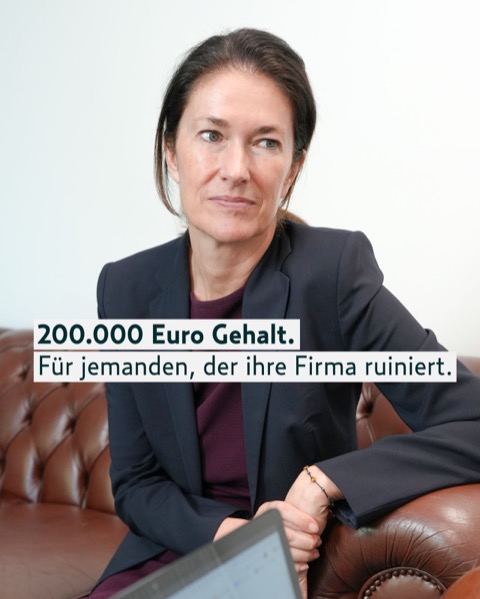
200.000 Euro Gehalt. Für jemanden, der ihre Firma ruiniert.
Antje Lenk sits across from a managing partner: family business, supplier from Franconia, 220 employees, and the numbers on his screen are red. The previous COO left for a competitor, and the headhunter quickly delivered a successor with consulting and corporate experience. Nine months later, two of the best people have left, a third has already checked out, and the COO is still there. When she asks why, the answer is: "We have no one else."
The mechanism: the post puts a price on waiting. The 200,000 euros stand in the first line and return in the conversation, this time as the bill for letting someone break the company. The dialogue is short enough for every reader to insert their own case, and the sentence that waiting does not protect the team turns consideration into neglect. The two closing lines separate seeing from doing. Its 1,724 likes are more than one in three of all likes our clients received in October.
Takeaway: Whoever postpones a separation lets the team pay the price for it.
 Antje LenkOctober 20, 2026 · LinkedIn
200.000 Euro Gehalt. Für jemanden, der ihre Firma ruiniert.
… see moreSee less
Rank 2 · Antje Lenk · October 27, 2026
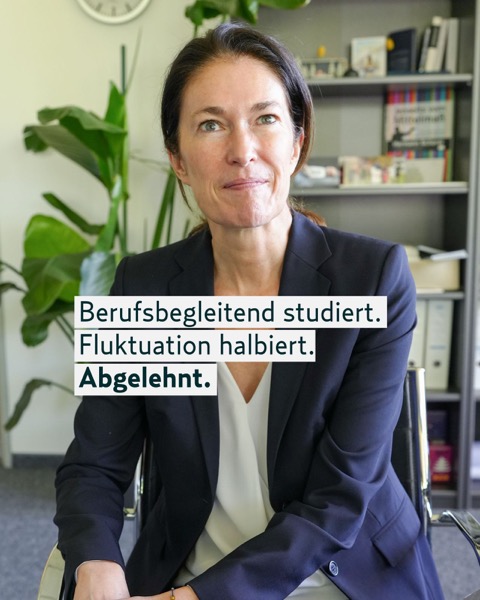
Zwei Lebensläufe auf meinem Schreibtisch: Der eine hat große Namen.
Antje Lenk describes two candidates for a Bavarian special machinery manufacturer with 320 employees and a seven-figure loss in production. One: 20 pages, LMU, Big Four, every station a well-known name, but not a single number showing what he changed. The other: 6 pages, an apprenticeship in mechanical engineering, a business degree earned alongside the job, and results that can be checked. She recommends the one with the evidence; the client would rather have the other.
The mechanism: a comparison in which the reader reaches a verdict before the author does. The three figures appear as a list in the post, lead time down 30 percent, scrap from 7 to 3 percent, staff turnover halved, and make the difference verifiable. Then she names the motive behind choosing the big name: whoever fails with it has an excuse. The close, a résumé full of big names is a claim today until a number backs it up, is the line to pass on. There is one comment for every three likes.
Takeaway: A big name on a résumé is a claim until a number backs it up.
Antje LenkOctober 27, 2026 · LinkedInZwei Lebensläufe auf meinem Schreibtisch: Der eine hat große Namen.
… see moreSee less
Rank 3 · Antje Lenk · October 13, 2026
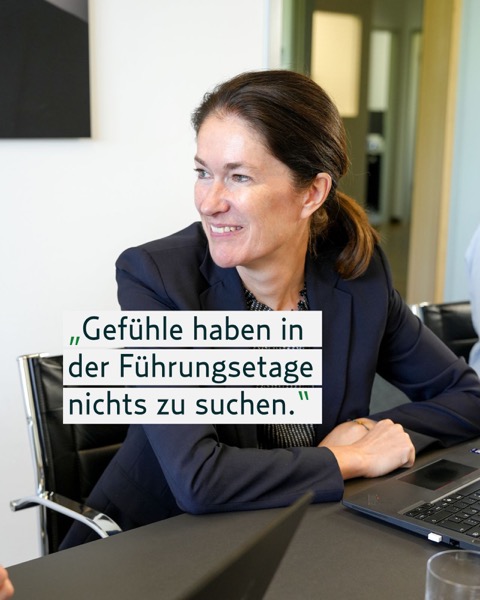
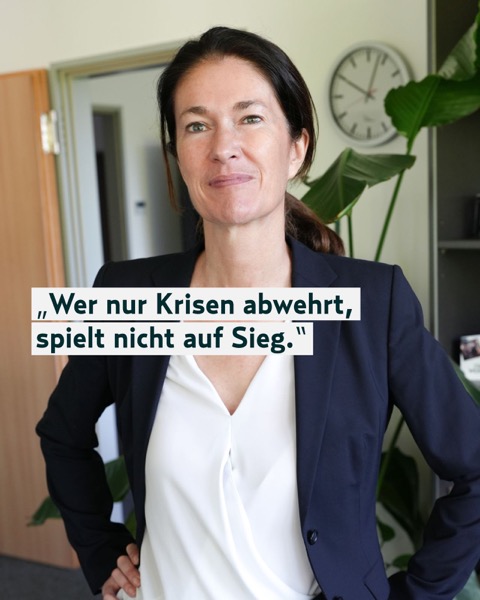
Emotionale Führungskräfte sind eine Fehlbesetzung. Beispiel:
Antje Lenk opens with a verdict and narrows it at once: feeling offended is part of being human, but the offense has no place in leadership. Then she addresses the reader directly. You once contradicted your boss, factually; since then your emails are answered later, your topic drops off the agenda more often, and the meeting runs without you. Nothing can be raised, because every single decision can be justified.
The mechanism: the post gives a precise description to a behavior that can hardly be proven: the punishment runs through pace, visibility, and information. The image of the chief surgeon takes the standard from a world where nobody disputes it. She clears away the obvious objection herself, that this means leading coldly: fine antennae for others, distance from your own feelings. There are 140 comments on 295 likes; almost every second like turns into a comment.
Takeaway: Professionalism must not end where your liking for someone ends.
Antje LenkOctober 13, 2026 · LinkedInEmotionale Führungskräfte sind eine Fehlbesetzung. Beispiel:
… see moreSee less
Rank 4 · Michel Karänke · October 8, 2026
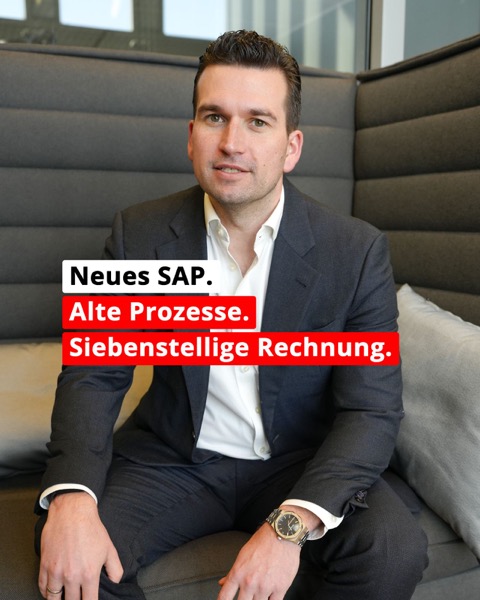
Millionen für ein neues SAP. Gekauft haben sie ihre alten Prozesse.
Michel Karänke describes how an SAP project writes its own bill. Sales wants its old workflow, purchasing its special rules, accounting too. Whoever says no is worn down in discussion until the department complains upward, and the partner builds everything in, because customizing and development are the best business. Six months after go-live there are seven-figure adaptation costs, the processes are the old ones, and Excel is back.
The mechanism: a sentence he says he hears every week gets a price tag. "We do things differently here" becomes the most expensive sentence in SAP projects, and the line that everyone wants things to get better while nobody wants them to be different captures the contradiction. The post does not stop at the diagnosis: it gives the project lead a test question, business model or habit, and calls for a management that backs him. Its 15 shares are the second-highest figure among the ten posts.
Takeaway: For every special request, one question helps: business model or habit?
 Michel KaränkeOctober 8, 2026 · LinkedIn
Millionen für ein neues SAP. Gekauft haben sie ihre alten Prozesse.
… see moreSee less
Rank 5 · Sarah Gäbler · October 7, 2026
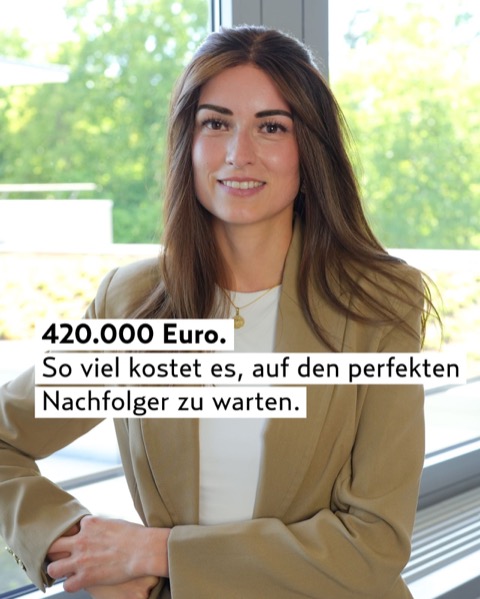
140 Tage mal 3.000 Euro = 420.000 Euro. So viel kostet es, auf den perfekten Nachfolger zu warten.
Sarah Gäbler calculates in the first line what a vacant leadership position costs: 140 days times 3,000 euros of lost value creation per day. She sits at the table when positions are refilled and describes how people haggle over 50 euros on the day rate while nobody costs out the empty chair next to it. She names studies and analyses as sources for the figures. The chair is rarely truly empty: it stands in five offices, everyone covers a part, and nobody optimizes the whole.
The mechanism: a multiplication anyone can check in their head turns a feeling into an amount. The contrast between a 50 euro negotiation and 420,000 euros of waiting carries the post. At the end she calls waiting what it is: a decision that nobody treats as a decision. The last sentence adds it up: companies choose to wait and act as if it were free.
Takeaway: Waiting is a decision too. It is just rarely costed out.
 Sarah GäblerOctober 7, 2026 · LinkedIn
140 Tage mal 3.000 Euro = 420.000 Euro. So viel kostet es, auf den perfekten Nachfolger zu warten.
… see moreSee less
Rank 6 · Antje Lenk · October 6, 2026
Den CFO holen Sie, wenn die Bank anruft. Den 100-Millionen-Stürmer kauft der FC Bayern, wenn er Meister ist.
Antje Lenk puts two sentences side by side: you bring in the CFO when the bank calls. FC Bayern buys the 100 million striker when it is champion. She explains why mid-sized companies wait: as long as the numbers hold, anyone who wants to intervene has to explain themselves, and whoever restructures without need has to justify it to the advisory board. Then the counterexample from last week: a second-generation mid-sized company whose shareholders say, with good numbers, that they have become slow and comfortable, and bring in an interim COO.
The mechanism: an image from football that is understood at once carries a management question. She takes the argument for waiting seriously and then separates reason from argument: the duty to explain is a reason, but not a good argument. The sentence that good numbers are room to move and not permission to rest is the line to take away, and the close returns to FC Bayern. There are two comments for every five likes.
Takeaway: Good numbers are room to move, not permission to rest.
Antje LenkOctober 6, 2026 · LinkedInDen CFO holen Sie, wenn die Bank anruft. Den 100-Millionen-Stürmer kauft der FC Bayern, wenn er Meister ist.
… see moreSee less
Rank 7 · Dieter Leikermoser · October 13, 2026
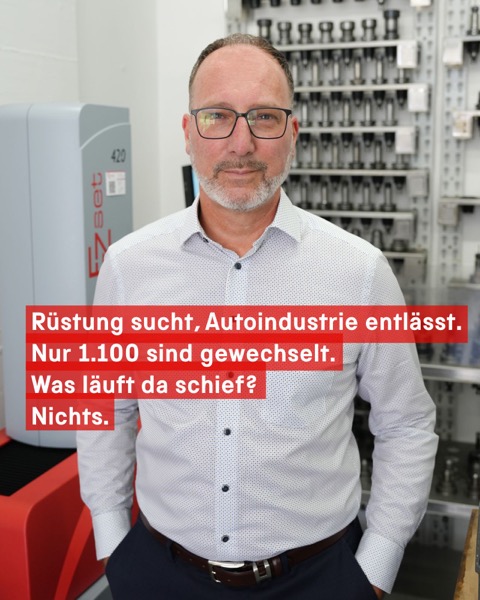
Rüstung hat Aufträge. Autoindustrie hat Leute. Zusammen kommen sie trotzdem nicht.
Dieter Leikermoser opens with a contradiction: defense has orders, the car industry has people, and still they do not come together. He cites the count by the IAB: 1,100 industrial employees moved into defense in the whole of last year, while industry loses around 15,000 jobs per month. His answer to the question of what is going wrong: nothing, the shift takes years, not months. Works councils, dismissal protection, and slow deals hold it back.
The mechanism: two numbers that do not fit together, and an explanation from his own production. He anticipates the counterargument, that defense is a different craft, and agrees with it as long as defense remains small-batch manufacturing. Then the evidence from his own company: at Mey Maschinenbau the same trades work at two paces, samples and new launches in Germany, steady series production in Hungary. The open question at the end draws 81 comments on 132 likes, the highest share of conversation among the ten posts.
Takeaway: The difference is not the person. It is the volume.
 Dieter LeikermoserOctober 13, 2026 · LinkedIn
Rüstung hat Aufträge. Autoindustrie hat Leute. Zusammen kommen sie trotzdem nicht.
… see moreSee less
Rank 8 · Sarah Gäbler · October 28, 2026
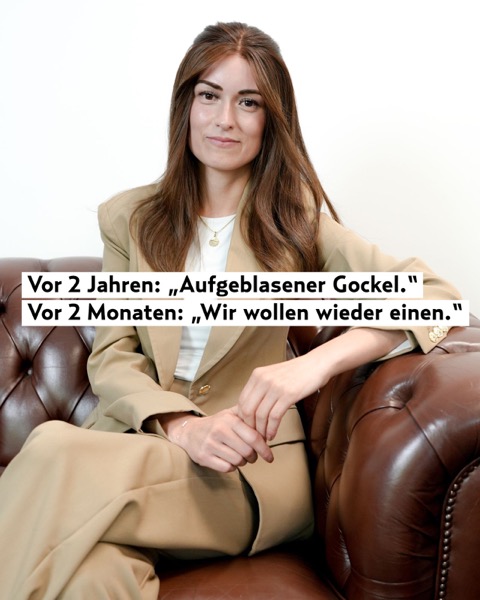
Vor zwei Jahren: „Nicht wieder so ein aufgeblasener Gockel."
Sarah Gäbler places two quotes from the same managing director one below the other. Two years ago: "Not another puffed-up rooster." Two months ago: "Ms. Gäbler, we want to bring in an interim manager again." In between lies a mandate that the investor had imposed on him against his will. The interim manager gave no lecture about his résumé; he listened, took responsibility, and took topics off the employees' desks.
The mechanism: before and after in two lines, the same person, the same company. The post does not defend the industry; it concedes the prejudice: the managing director had experienced it before, loud in the room, thin in the mandate. The turnaround is tied to a point in time, after three weeks the mood shifts. In the end, the man who did not want an interim manager is persuading his investor of the next one.
Takeaway: A prejudice is often deserved. And it turns as soon as someone delivers.
Sarah GäblerOctober 28, 2026 · LinkedInVor zwei Jahren: „Nicht wieder so ein aufgeblasener Gockel."
… see moreSee less
Rank 9 · Sarah Gäbler · October 14, 2026
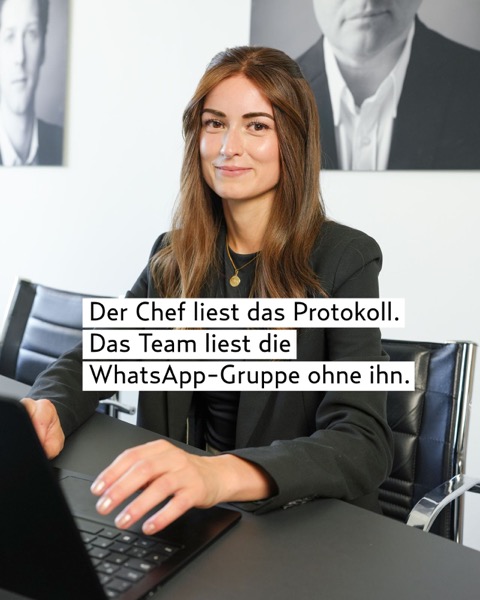
Der Chef liest das Protokoll. Das Team liest die WhatsApp-Gruppe ohne ihn.
Sarah Gäbler opens with two lines: the boss reads the minutes, the team reads the WhatsApp group without him. Then a phone call. A managing director says everything is calm at his company, no friction in the team, and she asks back: "When did someone last contradict you?" Her thesis: dissent never disappears, it only moves, because the boss takes objections personally, plays them down, or lets them lie.
The mechanism: an image from everyday office life makes an invisible problem visible, and a single follow-up question tips the managing director's self-assessment. She calls the team's retreat experience, not cowardice, which lifts the accusation from the employees. Then she explains why an interim manager hears in the first week what the boss has not learned in years: he is not staying and has no position to defend. The close hands responsibility back to the reader.
Takeaway: Dissent does not disappear. It moves to where the boss is not reading along.
Sarah GäblerOctober 14, 2026 · LinkedInDer Chef liest das Protokoll. Das Team liest die WhatsApp-Gruppe ohne ihn.
… see moreSee less
Rank 10 · Sarah Gäbler · October 21, 2026
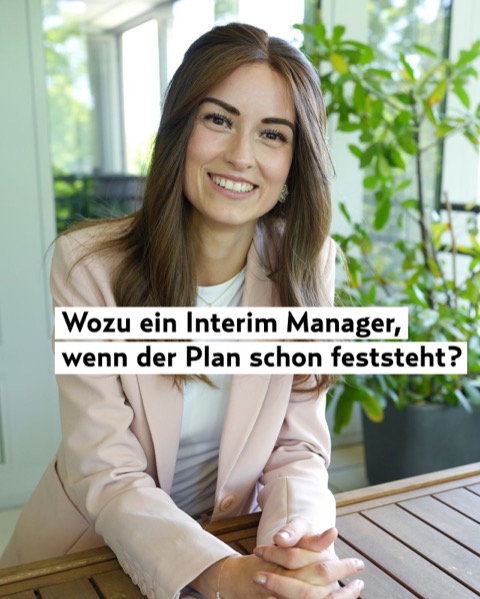
Niemand bucht einen Bergführer und zeigt ihm dann den Weg. Außer im Management.
Sarah Gäbler opens with a comparison: nobody books a mountain guide and then shows him the way, except in management. Companies bring in an interim manager because their own plan is not working, and then ask him to execute that same plan. In good mandates, she writes, it goes differently: the interim manager listens to the client's route, milestones, and solution and then says: "If we go in this direction, we will not reach your goal."
The mechanism: the image of the mountain guide needs no explanation, and the afterthought, except in management, transfers it to the reader in three words. The post places the decision about success on the client's side: can he listen and let himself be convinced? The reframing at the end, being convinced is not giving in, it is what you pay for, takes the loss of face out of changing course. The last line separates goal from plan.
Takeaway: You bring in an interim manager for your goal, not for your plan.
Sarah GäblerOctober 21, 2026 · LinkedInNiemand bucht einen Bergführer und zeigt ihm dann den Weg. Außer im Management.
… see moreSee less
How this ranking is built.
We count all public LinkedIn posts by our clients from October 2026, excluding reposts. Likes, comments, and shares feed into a score in which comments and shares count more than likes. The numbers reflect the day of the analysis.
The top 5 on the homepage always shows at least three different clients; the ranks after that follow the pure score. The case studies show who is behind these posts.
Builderz System
Posts like these come out of a system.
Positioning, ghostwriting, and distribution from one team. Every post on this list comes out of that work.