Every month we analyze our clients' public LinkedIn posts: every post of the month, measured in likes, comments, and shares. Comments and shares count more because they cost the reader more than a like. Here are the 10 strongest posts of August 2026, each with the same question: why did this one work? The short version lives on the homepage.
Wer als Manager eine Million Euro verdient, hat der Aufgabe zu dienen.
Antje Lenk opens with a rule you have to accept or reject: a manager earning a million owes the role their full presence. Then comes the evidence, a CFO six months into the job with two days on site, told to her by a supervisory board member. The case is concrete enough that every reader can picture it.
The mechanism: a verdict instead of an observation. "Taking both, the salary and the distance, is not decent" forces readers to pick a side. Executives feel addressed, board members and employees feel confirmed. There is one comment for every three likes, the highest conversation share among the top 3.
Takeaway: A rule that forces the reader to take a stand beats any neutral observation.
Wer als Manager eine Million Euro verdient, hat der Aufgabe zu dienen.
… see moreSee less
Bei diesen Gehältern ist Hingabe keine Zusatzleistung. Sie ist der Deal.
Ein CFO. Ein halbes Jahr im Amt. Bisher zwei Tage vor Ort. Das erzählte mir letzte Woche ein Aufsichtsrat.
Ein Extremfall, aber solche Kalender höre ich zu Dutzenden:
- erst ab Dienstag vor Ort
- Donnerstag wieder raus
- den Rest zu Hause, dreihundert Kilometer weg
Krisen halten sich aber leider nicht an Homeoffice-Tage. Wer erst ab Dienstag da ist, ist nicht da, wenn es brennt. Ein Feuer löscht niemand per Videocall.
Denn Führung heißt: an Menschen andocken. Menschen in Bewegung bringen. Und Menschen dazu bringen, dass sie mitziehen, weil ihnen jemand einen Weg zeigt.
Deshalb funktioniert Führung nur vor Ort. Am Menschen.
Wer das nicht will, soll die Aufgabe nicht übernehmen. Beides zu nehmen, das Gehalt und die Distanz, ist nicht anständig.
Wer die Million nimmt, verschreibt sich der Aufgabe, ganz.
The hook: a rule, not an observation
1,233 Likes · 425 Comments · 13 Shares425 comments: the claim demands an answer
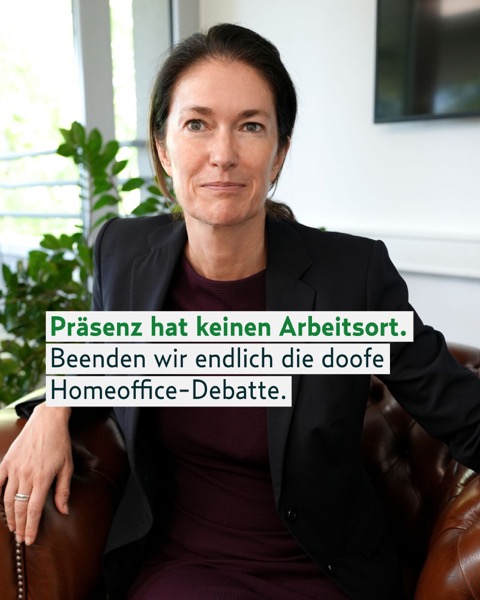
Präsenz hat keinen Arbeitsort. Beenden wir endlich die doofe Homeoffice-Debatte.
The post attacks the home office debate exactly where it is stuck: people argue about the place, but they mean presence. Antje Lenk declares the question itself wrong without attacking either camp, and replaces it with a better one: am I present in my role?
The mechanism is reframing. Whoever shares the post does not pick a side, they stand above the debate. That is why it gets passed along: 18 shares, tied with rank 3 for the highest of the month.
Takeaway: Give a stuck debate a new question and you get shared instead of argued with.
Präsenz hat keinen Arbeitsort. Beenden wir endlich die doofe Homeoffice-Debatte.
… see moreSee less
Seit Jahren wird darüber gestritten, wo „richtig" gearbeitet wird. Erbittert. Konfrontativ. Mit tiefen Gräben zwischen den Seiten.
Diese Debatte ist eine Stellvertreterdiskussion:
Gestritten wird über den Arbeitsort.
Gemeint ist die Präsenz.
Wer präsent ist, wird nicht diskutiert. Egal, von wo aus er arbeitet.
Wer es nicht ist, wird zurückgeholt. An die kurze Leine genommen. Weil Einzelne unsichtbar sind, stehen alle unter Generalverdacht.
Ich bin nicht der Typ, der sagt: Nur wenn alle um mich versammelt sind, wird auch richtig gearbeitet. Und ich unterstelle niemandem, dass er zu Hause weniger leistet.
Die Debatte stellt die falsche Frage.
Nicht: Homeoffice oder Büro.
Sondern: Bin ich in meiner Rolle präsent?
Präsenz entsteht, wo man Menschen berührt. Wo man nah am Team, an den Projekten ist. Wo einem zugehört wird, wenn man etwas zu sagen hat, weil man Teil der Unterhaltung ist.
Präsenz ist keine 0 oder 1.
Jeder muss für seine Rolle verstehen, was Präsenz bedeutet. Und ein Grundgefühl dafür haben, wann man physisch da sein muss.
Das kann jeden Tag sein, mehrmals die Woche, aber auch seltener. Und es hat auch was mit der spezifischen Rolle zu tun. Homeoffice ist im Vertrieb schwieriger als beim Programmierer. Ist einfach so.
Die Homeoffice-Debatte war nie eine Ortsfrage.
Sie ist eine Präsenzfrage.
Two lines: claim plus challengeThe closing line seals the reframe
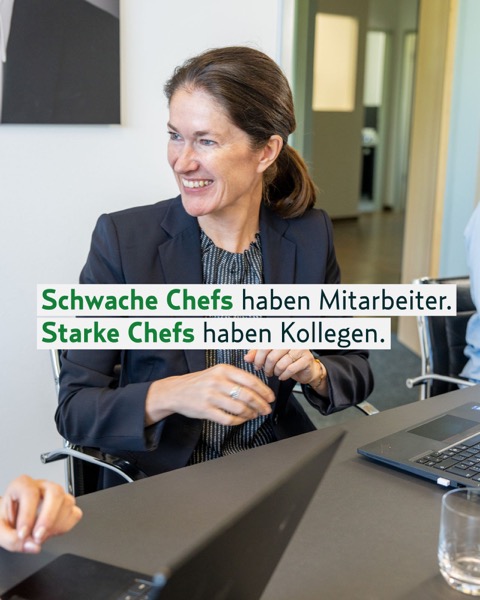
Schwache Chefs haben Mitarbeiter. Starke Chefs haben Kollegen.
The whole post hangs on one pair of words: "I'll connect you with my employee" versus "with my colleague". Antje Lenk takes an everyday situation everyone knows and shows what that single word reveals about leadership: who someone trusts to decide in their name.
The mechanism: a tiny, testable detail as the entry into a big topic. Every reader can check which side they are on during their next phone call. The post changes something after the reading, and it was shared 18 times, tied with rank 2 for the highest of the month.
Takeaway: A small, testable detail carries further than a big thesis.
Schwache Chefs haben Mitarbeiter. Starke Chefs haben Kollegen.
… see moreSee less
Sie hören den Unterschied jedes Mal, wenn jemand ein Telefonat weitergibt:
„Ich verbinde Sie mit meiner Mitarbeiterin."
Oder: „Ich verbinde Sie mit meiner Kollegin."
Ein Wort. Und jeder am anderen Ende weiß sofort, was kommt.
Bei „Mitarbeiterin" rutscht das Gespräch eine Etage runter. Der Anrufer rechnet mit weniger. Weniger Kompetenz, weniger Entscheidung, weniger Verbindlichkeit. Und er hat recht.
Bei „Kollegin" passiert das nicht. Kein Niveauverlust, nur weil der Anrufer plötzlich mit jemand anderem spricht.
Das ist keine Höflichkeitsform. Es sagt, wem Sie zutrauen, in Ihrem Namen zu entscheiden.
Wer seine Leute Mitarbeiter nennt, meint es so:
Ich stehe oben, du stehst unten, und was zählt, kommt über meinen Schreibtisch.
Ich verstehe den Reflex. Wer sich lange nach oben gearbeitet hat, will den Aufstieg spüren.
Nur: Abstand ist keine Führung. Abstand ist der Elfenbeinturm, den Sie sich nach der Beförderung selbst gebaut haben.
Und der Turm kostet Sie genau das, wofür Sie befördert wurden: eine Mannschaft, die auch ohne Sie entscheidet.
Wer nie als Gegenüber gilt, verhält sich nicht wie eines. Er entscheidet nicht. Er wartet auf den Senior. Auf den, der oben sitzt.
Augenhöhe heißt nicht, sich als klein zu machen. Es heißt, die anderen hochzuholen: Ihre Leute sollen in ihrem Fachgebiet besser sein als Sie. Ich behalte dabei die Entscheidungen, die nur ich treffen kann.
Ihre Leute Kollegen zu nennen, ist schnell gesagt. Die Haltung dahinter ist Führungsarbeit:
Entscheidungen abgeben. Besseren Leuten den Vortritt lassen. Und trotzdem führen.
Antithesis in two linesOne word, then the diagnosis
Zutexter reden 20 Minuten. Gute Manager brauchen fünf Sätze.
Sarah Gäbler opens with a rule and proves it with a scene from that same morning: a candidate gets pulled from the shortlist because he talks and talks in the interview. The rejection is quoted verbatim: "I'm not putting him forward. Please take him out."
The mechanism is the hard verdict from real work. It shows standards without claiming them: whoever reads this understands that someone here selects rather than just places. Add the testable counter-rule, whoever is certain gets by with five sentences. There is almost one comment for every three likes.
Takeaway: A documented no shows standards more credibly than any quality promise.
Zutexter reden 20 Minuten. Gute Manager brauchen fünf Sätze.
… see moreSee less
Heute Morgen, internes Meeting. Wir gehen die Kandidaten aus den letzten Gesprächen durch.
Einer steht auf Rot. Warum?
Er redet im Vorstellungsgespräch. Und redet. Und redet.
- Nach zwei Minuten warte ich auf den Punkt.
- Nach zehn habe ich meine Frage vergessen.
- Hinterher frage ich mich: Was hat er mir erzählt?
Manche Fragen verlangen lange Antworten. Die hier war keine. Also sage ich: „Den schlage ich nicht vor. Nehmen wir ihn bitte raus."
Ein Manager, der mich zutextet, textet auch den Geschäftsführer zu. Das Team. Den Beirat.
Und ein Team, das nach Minuten 20 abschaltet, bewegt er nicht mehr. Doch dafür wird er geholt.
Ich habe selbst lange geglaubt, ausführlich sei gründlich.
Und dann gibt es die anderen.
Die sagen fünf Sätze. Ich warte aus Gewohnheit auf mehr. Es kommt nichts. Alles ist gesagt.
Ich glaube inzwischen: Zutexten hat selten mit Sprache zu tun. Mal fehlt das Wissen. Mal die Vorbereitung. Meistens die Sicherheit, dass fünf Sätze reichen.
Wer weiß, wovon er spricht, muss sich nicht rechtfertigen. Er macht das Wesentliche greifbar. Und er lässt Raum für Fragen.
Aus dem Monolog wird ein Gespräch. Und aus dem Gespräch Vertrauen.
Zutexten ist kein Stilproblem.
Es ist ein Führungsproblem.
The hook: contrast in two linesScene, verdict, rule: three steps
Michel Karänke runs the numbers on a real case: an SAP MDG consultant, formerly a partner at a Big Four firm, now independent. The client pays around 25 percent less than before, the consultant earns more. The figures come from an invoice that landed on the table the day before.
The mechanism is the resolved contradiction. "Client saves. Consultant earns. Project runs." sounds like there must be a catch, and the post names it itself in order to clear it. The closing line turns the case into a thesis: companies do not overpay for skills, they overpay for name and structure.
Takeaway: A case with the numbers shown beats a rule that is merely claimed.
Ciao, Big Four.
Gestern lag die Abrechnung auf dem Tisch. 30.000 € Nettoumsatz. Für einen Monat.
Der Mann macht SAP-MDG. Seit knapp 15 Jahren.
Vorher war er Partner in einem Big-Four-Haus. Anfang 50, Familie, rund 175.000 € Jahreszielgehalt inkl. Bonus. Dann hatte er keinen Bock mehr auf die interne Politik.
Heute: 10,5 Monate arbeiten. 1,5 Monate Urlaub und Auszeit. 315.000 € Nettoumsatz im Jahr.
Und jetzt kommt’s.
Der Kunde zahlt für ihn weniger als vorher. Nicht nur ein bisschen. Rund 25 %.
Gleicher Mensch.
Gleiches Ergebnis.
Nur ohne den Apparat dahinter.
Kunde spart. Berater verdient. Projekt läuft.
Wo ist der Haken? Den gibt es nicht, wenn zwei Dinge stimmen:
Der Kunde findet einen Top-Berater, ohne durch die Big Four zu gehen. Und der Berater ist exzellent. Einer, bei dem der Kunde nach drei Monaten sagt: „Ohne den wären wir noch bei null.”
Unternehmen bezahlen in SAP-Projekten nicht zu viel für Skills. Sie bezahlen zu viel für Name und Struktur.
Three short lines, one calculationThe thesis comes last, not first
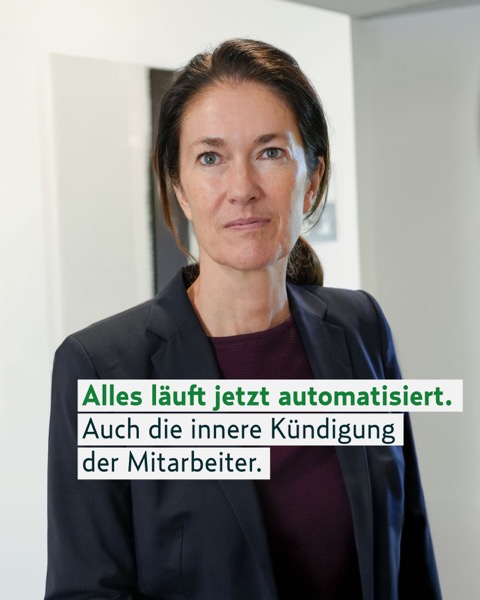
Alles läuft jetzt automatisiert. Auch die innere Kündigung der Mitarbeiter.
The first line joins two terms that never stand together: "Everything runs automated now. Including your employees' internal resignation." Then a pattern from real client conversations: companies talk about figures, systems, and degrees of automation, and about their people only when asked.
The mechanism is the mirror. Leaders recognize their own sentences ("we are well staffed") and then read what those sentences reveal. That produces conversation instead of applause: almost half as many comments as likes. It still is not on the leaderboard: the diversity rule gave rank 5 to a third client.
Takeaway: Hold up a mirror and you get comments instead of applause.
Alles läuft jetzt automatisiert. Auch die innere Kündigung der Mitarbeiter.
… see moreSee less
Bei Mittelständlern sehe ich seit Monaten dasselbe:
Kunden sprechen mit mir über ihre Zahlen, ihre Systeme, ihren Automatisierungsgrad. Über ihre Leute reden sie erst, wenn ich frage.
Dann in Kategorien: Kapazität, Verfügbarkeit, Nachbesetzung.
Ich frage: Was braucht Ihr Team gerade?
Antwort: Wir sind gut aufgestellt.
„Gut aufgestellt" ist eine Aussage über Stellen. Nicht über Menschen.
Wer über seine Leute spricht wie über Ressourcen, führt sie wie Ressourcen. Nicht weil er oder sie kalt ist. Sondern weil alles, was messbar ist, in vielen Unternehmen in der aktuellen Wirtschaftslage lauter ruft.
Aber wo alles automatisiert wird, wird auch Führung automatisiert.
Ein Prozess für die Einarbeitung, ein Tool für Feedback, ein Zyklus für Entwicklung. Alles „läuft" und keiner sieht mehr hin.
Das System ist dann selten das Problem. Es sind die Menschen, mit denen monatelang niemand gesprochen hat.
Gesehen werden ist keine Nettigkeit neben dem Tagesgeschäft. Es ist Orientierung:
- Wofür bin ich hier?
- Was erwartet man von mir?
- Wer entscheidet?
Unter Druck fühlt sich das für Manager manchmal nach Luxus an. Verstehe ich. Aber Ihre Leute merken in Sekunden, ob Sie sie sehen oder zählen.
Systeme sind austauschbar. Menschen nicht.
Automatisierung kann die Effizienz steigern. Aber nur Menschen tragen Ihr Unternehmen in die Zukunft.
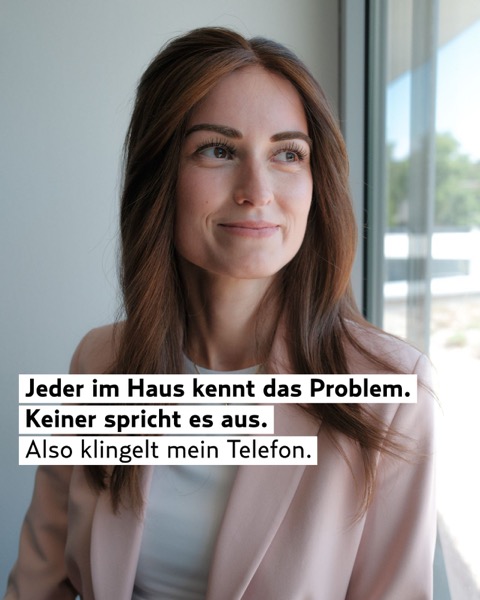
Jeder im Haus kennt das Problem. Keiner spricht es aus.
Sarah Gäbler tells the sequence that keeps repeating: everyone in the company knows the problem, nobody says it out loud, so her phone rings. The line from the mandate, "Everyone here knew. For months.", is the core of the post: what is missing is not knowledge but someone who says it.
The mechanism: she explains her own market value through a weakness of her clients without exposing them. And she names the conflict of interest herself, a healthy error culture would cost mandates. Exactly that admission makes the post more credible than any advertising message.
Takeaway: Name your own conflict of interest and people believe the rest.
Jeder im Haus kennt das Problem. Keiner spricht es aus.
… see moreSee less
Also klingelt mein Telefon.
Der Geschäftsführer ist dran. Es brennt.
Wir vermitteln innerhalb einer Woche einen passenden Manager.
Zwei Wochen später berichtet mir der Interim Manager aus dem Mandat.
Und sagt den Satz, den ich immer wieder höre: "Das wussten hier alle. Seit Monaten."
Nur macht niemand den Mund auf.
Aus Angst. Aus Gewohnheit. Weil der Erste, der es ausspricht, hinterher der Buhmann ist.
Der Externe hat diese Angst nicht.
Er war nicht dabei, als das Problem entstanden ist. Er übernimmt trotzdem die Verantwortung.
- Er benennt die Zahlen.
- Er nimmt die Dramatik raus.
- Er sagt, wohin es geht.
Das heißt nicht, dass Fehler folgenlos bleiben.
Es heißt: Wir suchen die Ursache, nicht den Schuldigen. Denn wer den Schuldigen sucht, hat sich gegen die Lösung entschieden.
Ja, eine gesunde Fehlerkultur würde uns viele Mandate kosten. Trotzdem klingelt bei Bridge imp seit 2009 das Telefon.
Weil Interim Manager nicht nur den Elefanten im Raum benennen. Sie räumen ihn auch ab.
Three lines build the caseThe verbatim quote at the center
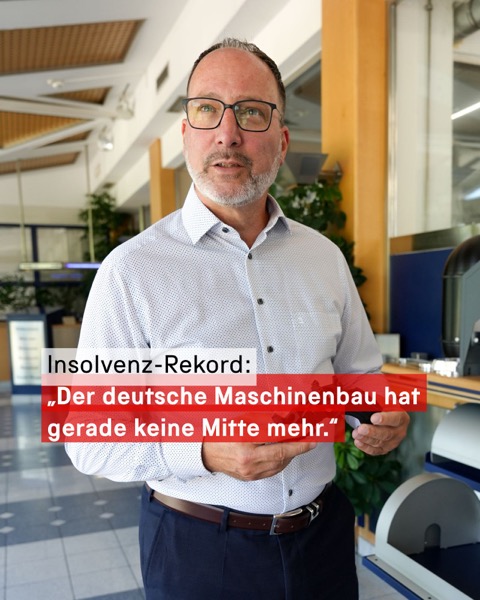
Der deutsche Maschinenbau hat gerade keine Mitte mehr. Entweder eine Firma platzt aus allen Nähten. Oder sie hat nichts zu tun bzw. meldet I
Dieter Leikermoser describes a market losing its middle: 12,900 insolvencies in the first half of the year, and at the same time a full order book in his own company. He holds both side by side and says openly that he still finds the situation hard to explain.
The mechanism is the view from inside: suppliers asking for work on their own, milling shops offered for sale via LinkedIn, the look into the insolvency register. Only someone standing in the market can list signs like these. The reading at the end, not a wave but a sorting, gives readers a word for what they observe themselves.
Der deutsche Maschinenbau hat gerade keine Mitte mehr. Entweder eine Firma platzt aus allen Nähten. Oder sie hat nichts zu tun bzw. meldet I
… see moreSee less
12.900 Firmenpleiten im ersten Halbjahr über alle Branchen, höchster Stand seit 2013. Im Maschinenbau sehe ich denselben Trend, im Insolvenzregister und im Posteingang.
Und auf der anderen Seite ist bei uns das Auftragsbuch für dieses Jahr voll.
Beides stimmt gleichzeitig, und ich tue mir bis heute schwer zu erklären, warum.
Vorzeichen, die ich täglich sehe:
▶️ Zulieferer, die uns seit Jahren beliefern, fragen von sich aus: „Habt ihr nicht was für uns zu tun?"
▶️ Auf Techpilot bieten deutlich mehr Firmen an. Wenn wir dort Teile reingeben, kommen immens viele Angebote zurück. Jeder hechelt nach Aufträgen.
▶️ Über LinkedIn werden mir Firmen zum Kauf angeboten. Fräsereibetriebe. Man merkt, dass da richtig was am Laufen ist.
▶️ Ein Blick ins Insolvenzregister genügt. Maschinenbauer sind genug dabei.
Und im selben Markt kenne ich Betriebe, die bis zum Anschlag ausgebucht sind, so wie wir.
Mein bester Guess, was gerade passiert:
die Trennung von Spreu und Weizen. Nicht nach Branche. Sondern danach, wer den Wandel mitgeht. Wer falsche Kundenstrukturen hat und nicht nachzieht, bleibt auf der Strecke. Und das ist kein deutsches Thema, das ist ein europäisches.
Die Beruhigungspille „Sondermaschinen kann der Chinese nicht" können wir uns übrigens auch sparen. Die bauen längst welche.
Die 12.900 Insolvenzen sind keine Welle, die über uns hereinbricht. Es ist eine Sortierung.
Übrig bleiben die, die man in den neuen Strukturen tatsächlich braucht.
Four signs from daily work"Sorting": the reading in one word
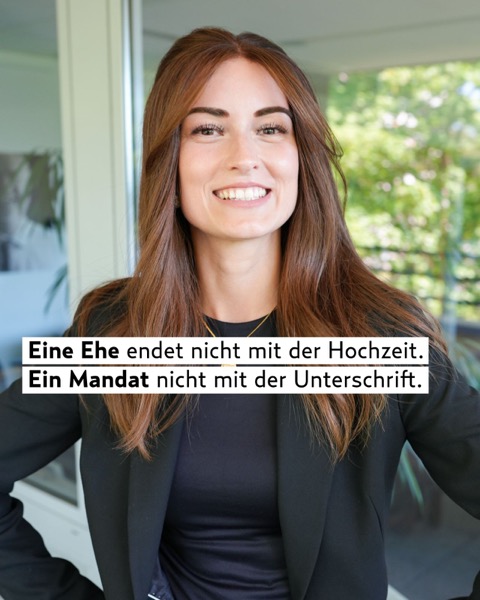
Eine Ehe endet nicht mit der Hochzeit. Ein Mandat nicht mit der Unterschrift.
The post answers a question from real first conversations: what happens after the placement? Sarah Gäbler dismantles the image of the agency as a CV pusher and shows, through one mandate, how expectations drift when nobody realigns them.
The mechanism is positioning through process: weekly calls with her managers, regular ones with clients, and the question she uses to step in early. The placement agent becomes the "agent who stays in the mandate". The proof is the way of working, not adjectives.
Takeaway: Positioning convinces when the process proves it.
Eine Ehe endet nicht mit der Hochzeit. Ein Mandat nicht mit der Unterschrift.
… see moreSee less
In Erstgesprächen kommt oft die Frage: „Was passiert eigentlich nach der Vermittlung?"
Viele kennen Interim-Agenturen als CV-Schubser: Manager gefunden, Vertrag unterschrieben, Job erledigt.
Aber da fängt für mich die wichtigste Arbeit erst an.
Ein Beispiel aus einem Mandat:
Beim Start war alles abgestimmt. Klares Ziel, klarer Plan.
Dann veränderte sich das Mandat. Neue Themen kamen. Der Vorstand verschob die Prioritäten.
Die Erwartungen wanderten mit. Nur neu abgestimmt hat sie niemand.
Darum bleibe ich dran.
Ich spreche mit meinen Managern oft wöchentlich, mit den Kunden alle paar Wochen, je nach Wunsch. In den Gesprächen fange ich den Drift ein:
Wo stehen Sie?
Was läuft gut, wo hakt es?
Welche Themen haben jetzt Priorität?
Und wenn etwas driftet, grätsche ich früh rein: „Sind Sie sich sicher, dass der Kunde in diese Richtung will?"
Ein Mandat steht nie still.
Die Erwartungen daran auch nicht.
Und darum bin ich keine Interim-Vermittlerin, die nach der Unterschrift verschwindet, sondern Agentin, die im Mandat bleibt. Nah am Manager, nah am Kunden. Bis das Ergebnis passt.
The marriage comparison as the openingThe new role name at the end
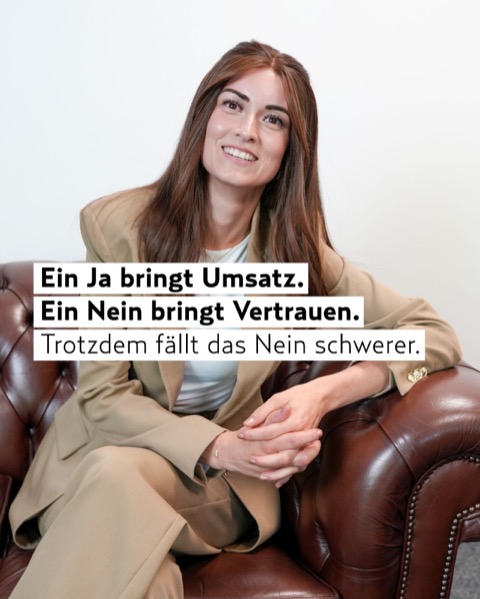
A managing director wants a placement right away, the answers to her questions stay vague, so Sarah Gäbler declines. The post documents a no that costs revenue, including the admission that a few inquiries were lost for good.
The mechanism is the price made visible. "A no that costs nothing is not a stance" works because the post first shows what this no costs. And every reader can take the three screening questions into their own business.
Takeaway: A stance only counts once it visibly costs something.
Trotzdem fällt das Nein schwerer.
Ein Geschäftsführer ruft an: „Frau Gäbler, uns fehlt jemand. Wann können Sie liefern?"
Ich stelle meine Fragen.
- Was soll nach sechs Monaten anders sein?
- Wer entscheidet das?
- Was sind die Reibungspunkte im Projekt/Team?
Die Antworten bleiben vage: Der Entscheider sitzt noch nicht am Tisch. Die Erwartungen ändern sich von Gespräch zu Gespräch.
Ich könnte trotzdem besetzen. Mache ich nicht.
Eine Besetzung macht einen unklaren Auftrag nicht klarer. Nur teurer. Also sage ich ab.
Damit ein Mandat gelingt, muss ich unseren Managern erklären können, was sie lösen sollen.
Wenn ich das nicht kann, verkaufe ich Scheitern mit Vorlaufzeit zu einem guten Tagessatz.
Und ja: Die meisten nehmen es sportlich. Manche nicht.
Ein paar Anfragen habe ich damit endgültig verloren, und das war der Preis. Andere kommen zurück. Mit klarerem Auftrag oder dem nächsten Mandat. Weil sie wissen: Wenn ich Ja sage, meine ich es auch.
Ein Nein, das nichts kostet, ist keine Haltung. Meins kostet Umsatz. Und bringt Vertrauen.
The thesis in three short linesThree screening questions as a tool
121 Likes · 35 Comments · 3 Shares
How this ranking is built.
We count all public LinkedIn posts by our clients from August 2026, excluding reposts. Likes, comments, and shares feed into a score in which comments and shares count more than likes. The numbers reflect the day of the analysis.
The top 5 on the homepage always shows at least three different clients; the ranks after that follow the pure score. The case studies show who is behind these posts.
Builderz System
Posts like these come out of a system.
Positioning, ghostwriting, and distribution from one team. Every post on this list comes out of that work.
 Antje LenkAugust 4, 2026 · LinkedIn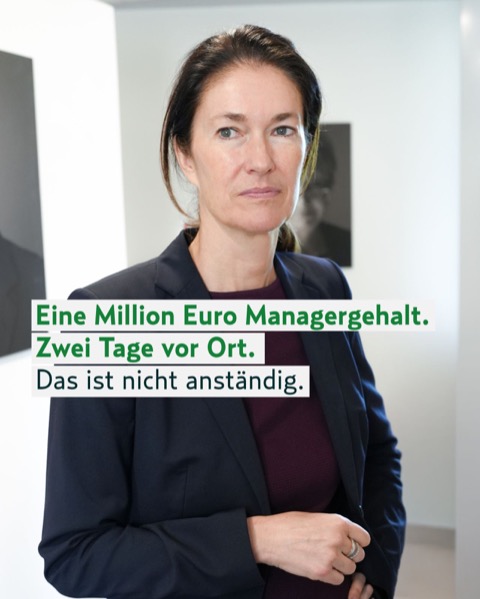
 Sarah GäblerAugust 12, 2026 · LinkedIn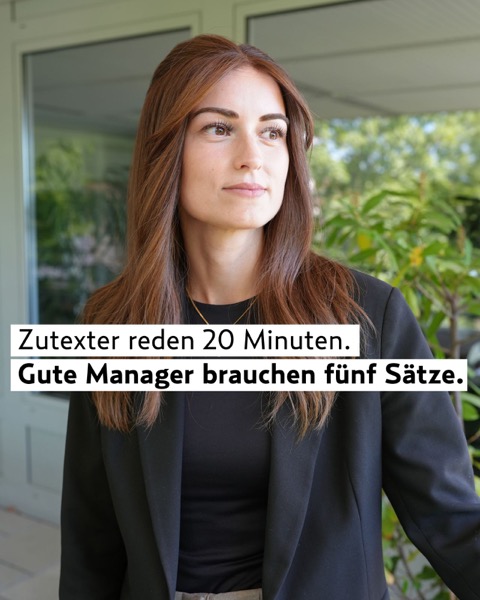
 Michel KaränkeAugust 11, 2026 · LinkedIn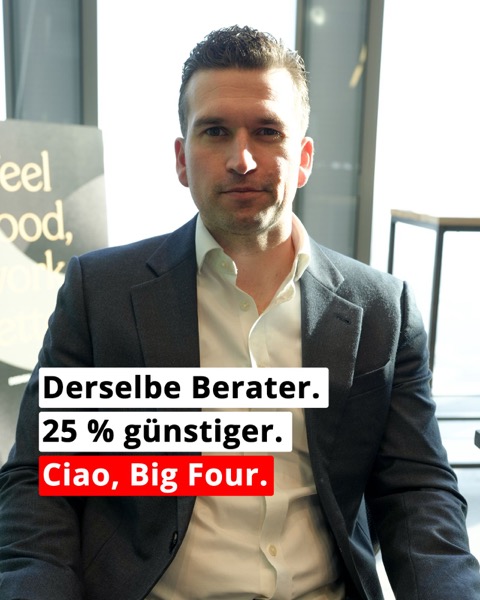
 Dieter LeikermoserAugust 11, 2026 · LinkedIn